
Dental Implants – Dental Implants Longmont CO

Mini implants offer sizeable benefits for patients with missing teeth and bone loss

At Longmont Dental, we are thrilled that you are reading up on dental implants and that you are considering our team for your oral care. Led by Dr. Kurt W. Knechtel, DMD, we strive to be a true “dental home” for patients and their families from Longmont and throughout the Boulder, Colorado, area.  

As it relates to implants, Dr. Knechtel has the advanced training and experience, as well as the onsite technologies, to offer every step of the implants process at our practice. As an genuine “one-stop,” we strive to make each visit as efficient, safe, pleasant, comfortable, and convenient as possible. Since we have so many capabilities “in-house,” there are many treatment offerings within each category of services that patients benefit from; for instance, those individuals who have been told they are not candidates for implants can qualify for the procedure with mini implants.  

If you’re considering dental implants,

the next step is a personalized evaluation with Dr. Knechtel and the Longmont Dental team.
We’ll discuss your goals, assess your oral health, and explain your treatment options clearly so you can make an informed decision.
New patients must call (720) 815-4733 to schedule an appointment.
Contact us today to learn whether dental implants can help restore your smile and confidence.

Start-to-Finish Implants
Natural-Looking Results
Mini Implant Options
Stable Tooth Replacement

The new(er) implant on the block 

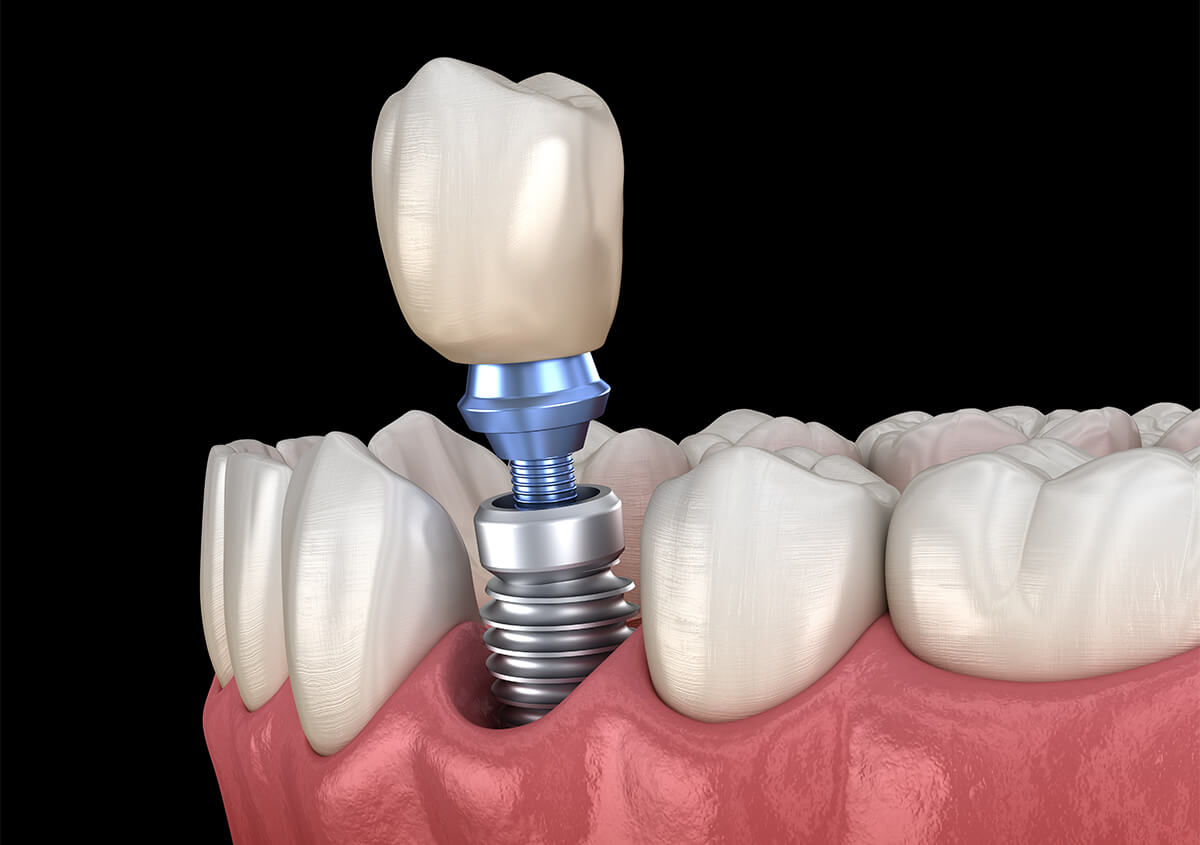
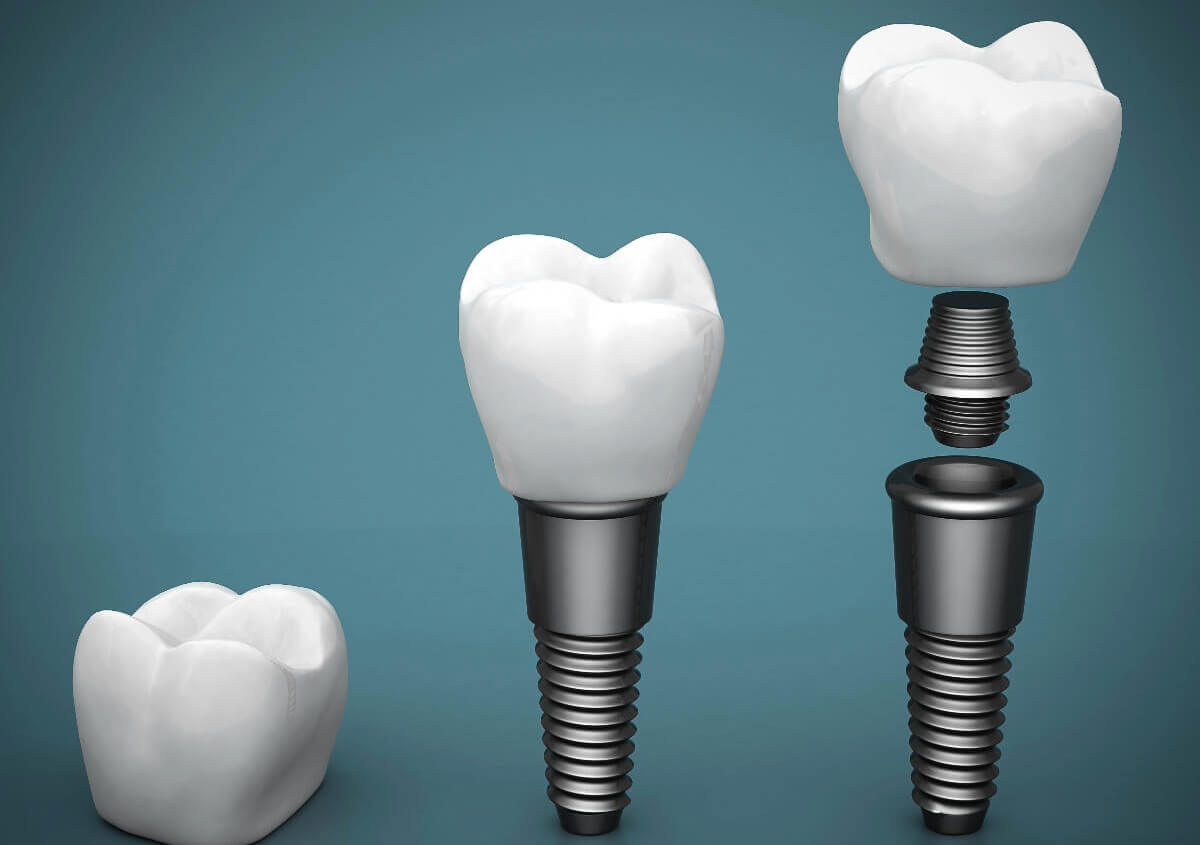
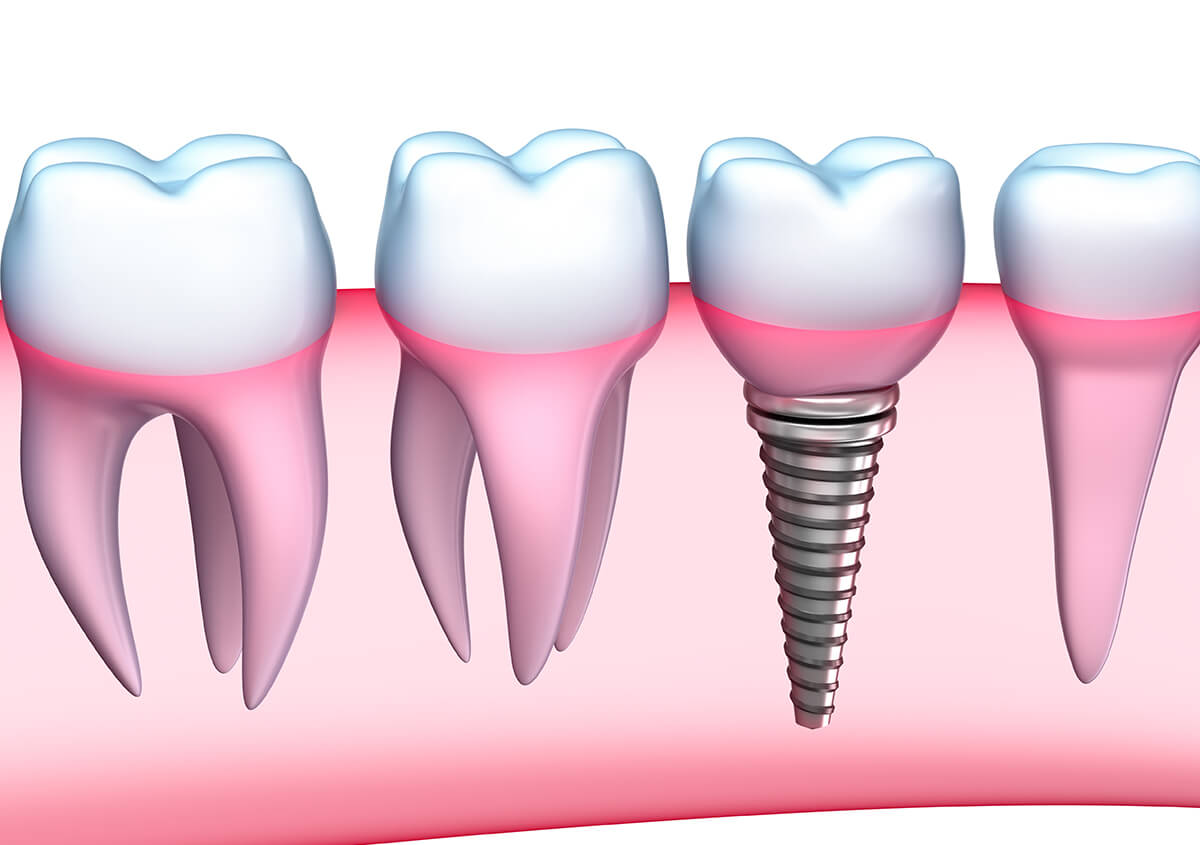
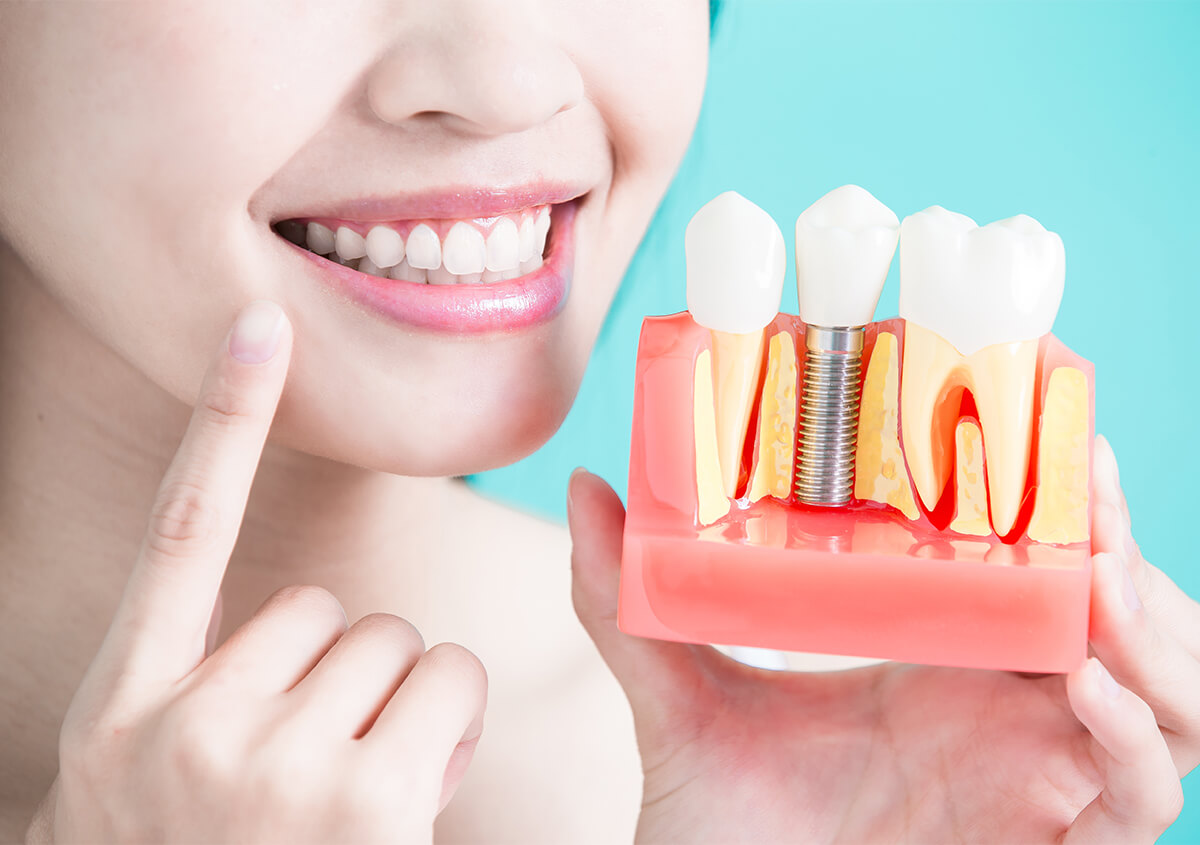
Millions of dental patients have replaced their teeth with implants since the 1980s. Over time, new systems, materials, and designs have presented themselves. These innovations represent ways for patients who formerly may have been limited in their treatment options (to conventional bridges and dentures) to enjoy the myriad advantages of replacing teeth built like natural teeth. The mini implant, for instance, is, as its name suggests — a smaller-sized alternative to “standard” implants. Minis are smaller around than traditional implants. They also feature attachments such as a ball and socket, and rubber O-ring. Implants are primarily placed in the jaw and fuse to become a part of the surrounding bone. They are connected to the overlying replacement teeth via such attachments. With everything connected to a solid base in the jaw, the implant functions effectively as a natural tooth root. 

Infographic of human in structure of the dental implant illustration

Characteristics such as a smaller diameter allow us to confidently recommend and successfully place and retain mini implants for patients who have suffered bone loss. Adequate bone density and height are essentially a “must” for implants patients. The implant should have a solid foundation, which facilitates optimal stabilization of the crowns, bridges, and dentures retained in the mouth. 

Dental Implant Videos

More on candidates for minis 

The longer patients go without teeth, the worse the process of bone loss becomes. Mini implants are also appropriate for patients who are either not good candidates for surgical procedures or who prefer to undergo a more conservative approach to tooth replacement. All it generally takes for Dr. Knechtel to place mini implants is a single appointment and localized anesthesia. Courtesy of this approach, patients can enjoy their new teeth the same day the implant is placed precisely! Other techniques require that bone be taken from one part of the body and “grafted” to the implant site. The bone would have to be built up before the implant is placed. However, bone loss can be so significant that a full-sized implant is not appropriate anyway. Plus, it can take several months for the implant in the augmented jawbone to integrate fully into the surrounding tissue. With mini implants, there is no such wait. There is also minor alteration of natural tissues at the treatment site.  

Discover what our patients have to say

Dental Implants FAQs

Do dental implants look natural?

Yes. One of the most compelling benefits of dental implants is their lifelike appearance. Your dentist customizes your crown to match the exact shape, size, and color of the surrounding teeth. Your dental crown integrates so seamlessly that no one will realize it’s a prosthetic tooth. Speak, smile, and laugh without feeling self-conscious about your teeth.

How long does the dental implant procedure take?

Dental implant surgery takes 1-2 hours per tooth, but the entire procedure takes several months. That is because once your implants are surgically placed, they need time to heal and integrate with the jawbone. In some cases, your dentist can attach a temporary tooth on the same day to maintain functionality during the healing phase.

Does the dental implant procedure hurt?

Not at Longmont Dental. Your implant dentist uses effective local anesthetics to keep the surgical site fully numb during your treatment. You may experience some pressure but not pain. Implant surgery involves making a small incision in the gums and bone. That said, you may experience post-operative swelling, soreness, and bruising, but these are easy to manage with pain medications and home remedies.

Can I qualify for dental implants if I have bone loss?

Yes! Jawbone deterioration because of prolonged tooth loss, trauma, or gum disease doesn’t mean you are entirely ineligible for dental implants. You can become a candidate with adjunct procedures such as bone grafting. This surgical procedure rebuilds your jawbone, creating a solid foundation to support your implant(s).

Can dental implants fail?

Dental implants have a success rate of over 95%, but failure can occur in rare cases. Possible causes of implant failure include failed integration, implant infection (peri-implantitis), and implant rejection. Other possible causes include smoking, teeth grinding, and poor oral hygiene. Following post-op care and working with an experienced dentist helps minimize the risk of failure as much as possible.

How long do dental implants last?

Dental implants are designed to last many years, even a lifetime, with proper maintenance. The crown part may need to be replaced every 10-15 years, but the implant itself lasts many decades. To get the most out of your dental implants, practice good oral hygiene and visit your dentist regularly for check-ups. It’s also important to avoid smoking, teeth grinding, or using your teeth as tools to protect your investment.

How much are dental implants in Longmont, CO?

Good question! Cost is an important factor when considering implant treatment. The reality is that we cannot accurately determine the cost of implants without a consultation. That’s because the cost of implants varies depending on factors such as the number of teeth involved, your oral health, and the need for additional procedures like extractions and bone grafting. We’ll share a cost breakdown during consultation and also share ways to make your dental care more affordable.

Does insurance cover dental implants?

Coverage varies by plan. Our team will help verify the benefits of your insurance plan. As a courtesy, we’ll also file claims on your behalf to make your process smoother. 

What are the alternatives to dental implants?

If dental implants are not an option for some reason, we’ll discuss alternatives, including dentures and bridges. No matter how many teeth you have lost, there is always a solution.

Where can I get high-quality dental implants in Longmont, CO?

Tooth loss is not something you should learn to live with. Rebuild your smile with high-quality dental implants at Longmont Dental. Our dentists combine advanced technology with clinical expertise to deliver start-to-finish implant services in one location. Dial (720) 815-4733 and schedule your consultation today!

Dr. Kurt W. Knechtel, DMD

Dr. Kurt W. Knechtel, DMD

Kurt W. Knechtel, DMD, has been practicing dentistry for 29 years. He received his degree at Oregon Health Science University in 1995. After college, this former Longmont High School graduate returned home to start his practice. Dr. Knechtel likes to remain on the cutting edge of dentistry and continually looks for ways to improve the patient experience. He has had extra training in implant placement and orthodontics.
Dr. Wyatt J. Knechtel, DMD,

Dr. Wyatt J. Knechtel, DMD

Wyatt J. Knechtel, DMD, who joined our practice in 2023, holds a degree from Case Western Reserve University. Working alongside his father, he is dedicated to helping patients achieve the healthy smiles of their dreams. Dr. Wyatt led the implementation of SureSmile, an alternative to traditional braces.